In short: Playa Junquillal is a real nesting beach for leatherback and olive ridley sea turtles. The season runs roughly from July to February. Night walks are done in small groups with Fundación Verdiazul, the beach's own conservation project, and are arranged through the concierge with at least a week's notice. Sightings are never guaranteed: it is nature, not a show.
It is nine at night and the beach is black. A guide with a red-light torch walks ahead; behind her, eight people on wet sand, not talking. The ocean is louder than it is by day. What follows may be nothing: two hours of walking and a return with wet feet. Or it may be a dark shape at the waterline, longer than a person, moving slowly toward the dry sand and starting to dig. Whoever has seen it once does not forget it, and whoever arranges it knows it cannot be promised.
Which turtles nest at Playa Junquillal?
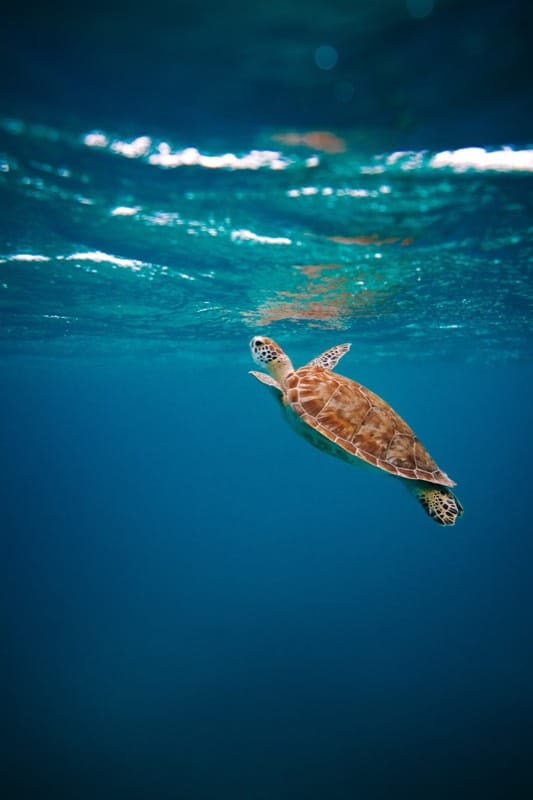
Two species. The leatherback, the largest sea turtle alive, critically endangered in the eastern Pacific; an animal that can exceed a meter and a half and leaves a symmetrical track in the sand, like a small tractor's. And the olive ridley, much smaller and far more numerous, which arrives in greater numbers and with less ceremony.
The beach has its own conservation project: Fundación Verdiazul (Asociación Vida Verdiazul), born in collaboration with WWF between 2005 and 2010 and now operating independently, with night patrols and a hatchery where at-risk nests are protected. The walks are done with them; nobody should wander the beach at night looking for turtles on their own.
When is turtle season in Junquillal?
July to February, roughly. Olive ridleys tend to come first, in the second half of the year; leatherbacks concentrate toward the end of the year and the start of the dry season. Hatchlings emerge some seven to ten weeks after laying, so a trip in the northern summer can coincide with nests opening on the beach.
The detail that matters for planning: turtle season cuts across both travel seasons. September and October, the wettest months of the green season, are also nesting months, and the beach is nearly empty. December and January, high and dry season, coincide with the leatherbacks. If you want the walk to be part of the trip rather than an extra, choose your dates with that in mind; we explain it in our guide to the best time to visit Guanacaste.
What is a night walk with Verdiazul like?
Small and slow. Groups are kept small to reduce the impact on the beach, and the guide sets the pace. You walk the waterline under red light, in silence, while the patrols check the beach. If a turtle appears, you do not approach it: you wait for her to finish climbing and digging, and only once she starts laying does the group move closer, always from behind and at the distance the guide indicates. At that point the turtle enters a kind of trance and observation does not disturb her. Afterwards she is left to return to the sea alone.
It can last several hours, and it can end without turtles. We say so before you book, and we say it again the night of the walk. The people who come back happiest are the ones who went to walk a dark beach with the ocean beside them, and to whom the turtles, if they came, gave the rest.
The logistics are simple: ask the concierge at least a week in advance, and he coordinates with the foundation around the moon, the tide and the season. For everything else in the area, see the concierge guide to Junquillal.
Can you see turtles from the villa?
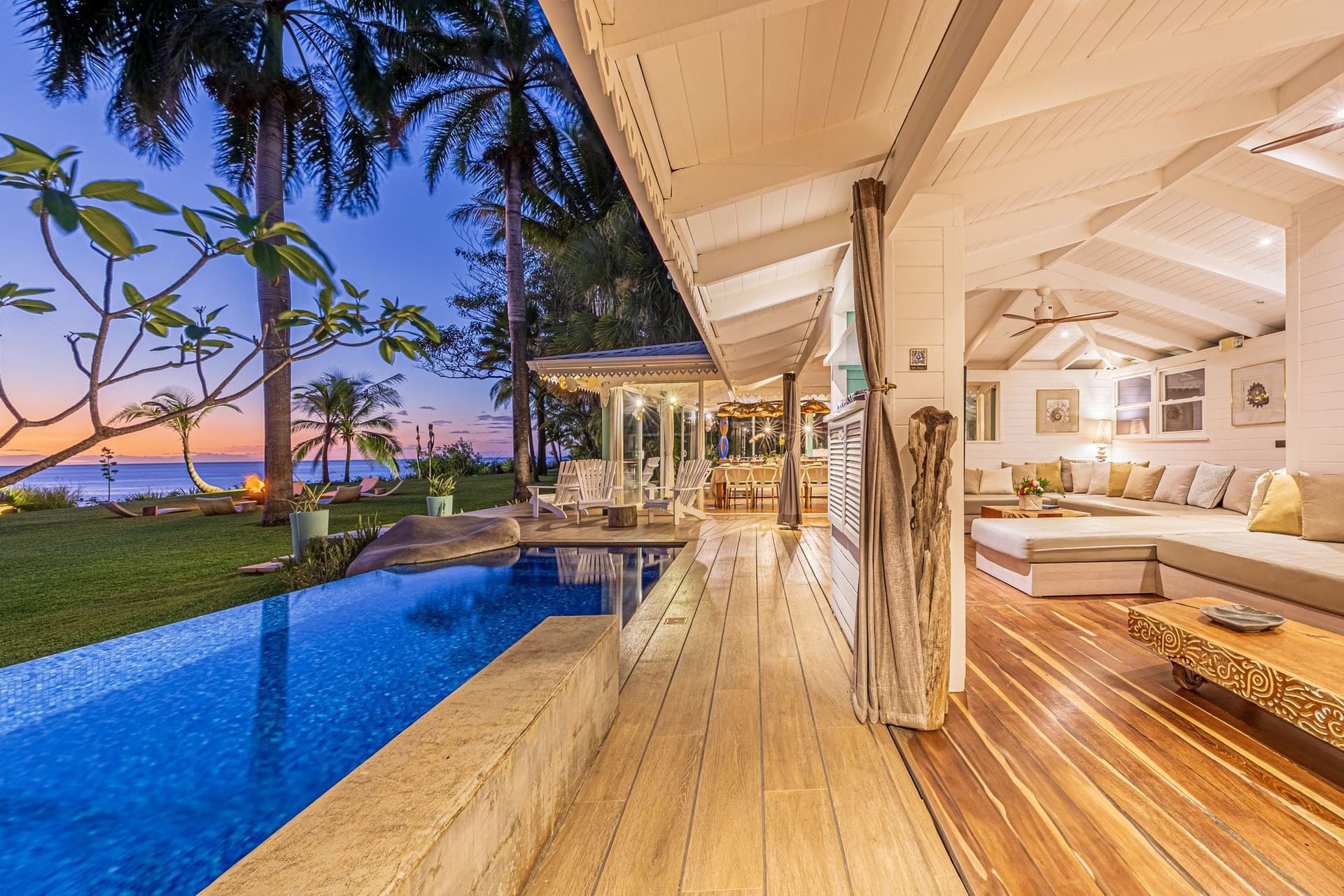
Honest answer: the villa is not a turtle lookout. They nest at night with the beach in darkness, and nobody should be shining a light on them from a terrace. What a beachfront villa gives you is something else.
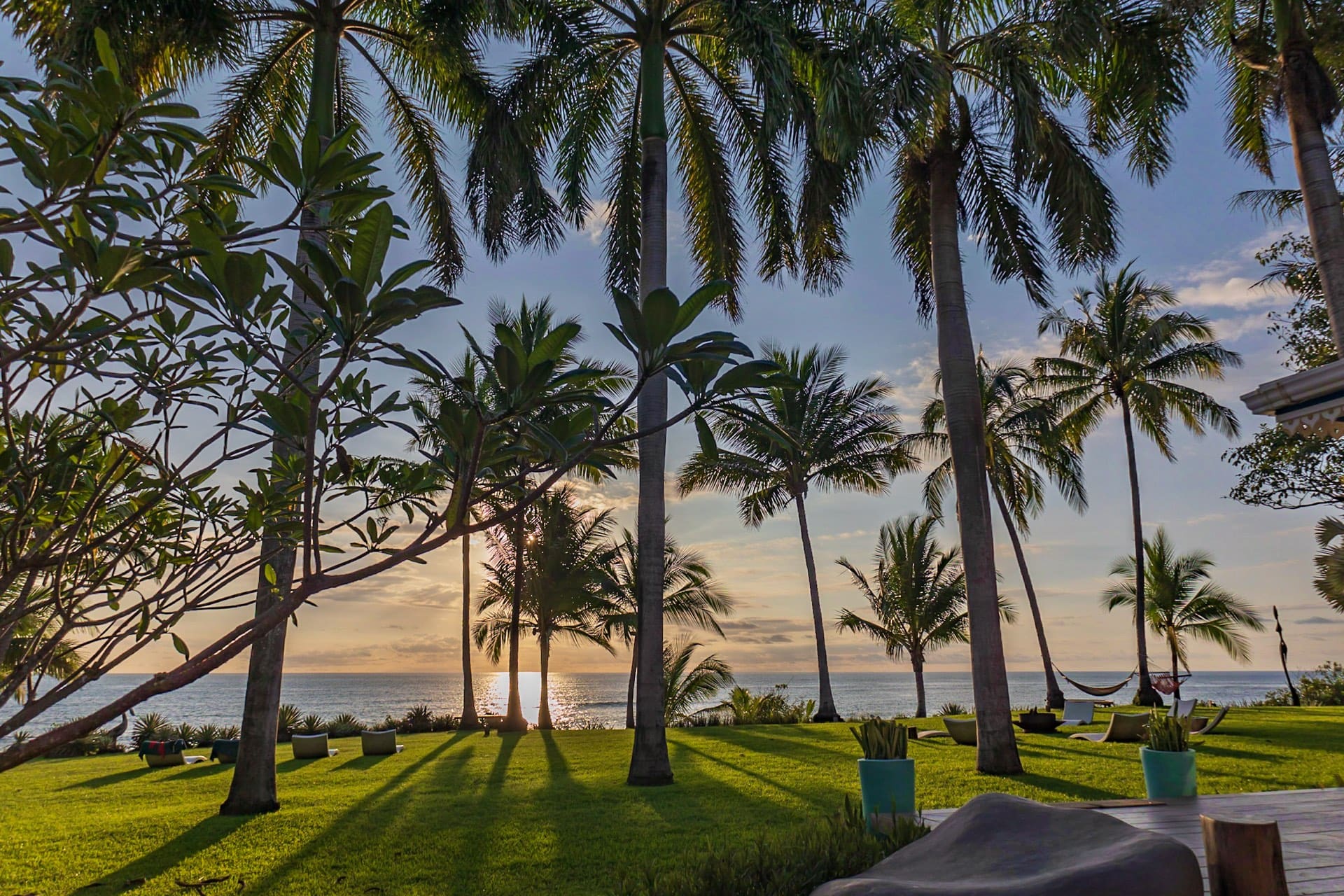
It gives you the next morning. Villa Diosa del Mar reaches the beach by a private stairway in one minute; if a turtle nested that night, the track is still there at dawn, before the tide erases it. It gives you proximity: the night walk ends and within minutes you are in your own bed, not in a car back to Tamarindo. And it gives you the chance, when it coincides, of a hatchling release from the Verdiazul hatchery; if your dates fall on one, the concierge will tell you.
Patrick and Valérie built both villas by hand on this beach, and one of the reasons they chose Junquillal over a more developed coast was precisely this: that the beach would stay the turtles', and the house would be a place to watch it without changing it.
Rules for not disturbing them
There are few, and they are not negotiable.
- No white light on the beach at night, no torches of your own, no flash. Only the guide's red light.
- You walk behind the turtle, never in front, and at the distance the guide sets. No touching her, the eggs or the hatchlings.
- Dark clothing, closed shoes, low voices. No dogs on the beach at night.
- At the villa, in season, switch off the outdoor lights facing the sea once dinner is over. Hatchlings head for the brightest horizon, which should be the ocean; a lit terrace draws them toward the house.
- If you come across a turtle or a nest on your own, do not approach: tell the concierge, and he tells Verdiazul.
Where to stay
- Villa Diosa del Mar — beachfront art retreat with a private stairway to the beach →
- Villa Hermes — architectural villa, every bedroom facing the sea →
- Rent both villas together as Odisea Retreats, 10 bedrooms →
Frequently asked questions
When can you see sea turtles at Playa Junquillal?
Leatherback and olive ridley nesting season runs roughly from July to February. Olive ridleys tend to arrive earlier, in the second half of the year; leatherbacks concentrate toward the end of the year and the start of the dry season. Sightings are never guaranteed: it is nature, not a show.
How far in advance should a turtle walk be booked?
Give the concierge at least a week's notice; he coordinates with Fundación Verdiazul around the season, the tide and the moon. Half-day and full-day excursions need three to five days; surfing and kayaking can usually be arranged the same day if the weather cooperates.
Can children come?
It depends on their age. The walk is long, silent, in the dark, and may end without turtles. It tends to work well with older children who understand waiting; with younger ones, ask the concierge, who knows each night's conditions and can suggest alternatives.
What should you bring on a night walk?
Dark, comfortable clothing, closed shoes for wet sand, insect repellent and water. Do not bring a torch or use your phone's flash: the only light allowed is the guide's red one. Cameras only if the guide permits, and always without flash.
What is Fundación Verdiazul?
It is Playa Junquillal's own sea turtle conservation project. It began in collaboration with WWF between 2005 and 2010 and now operates independently, with night patrols and a hatchery that protects at-risk nests. Observation walks are done with them, in small groups.