In short: Where to stay in Guanacaste depends on your pace. Tamarindo suits travelers who want restaurants, nightlife and everything within walking distance. Playa Negra and Avellanas suit surfers and a small, easygoing scene. Playa Junquillal, further south, suits slow travelers who want a quiet, natural beach, long days at the villa and room to let go.
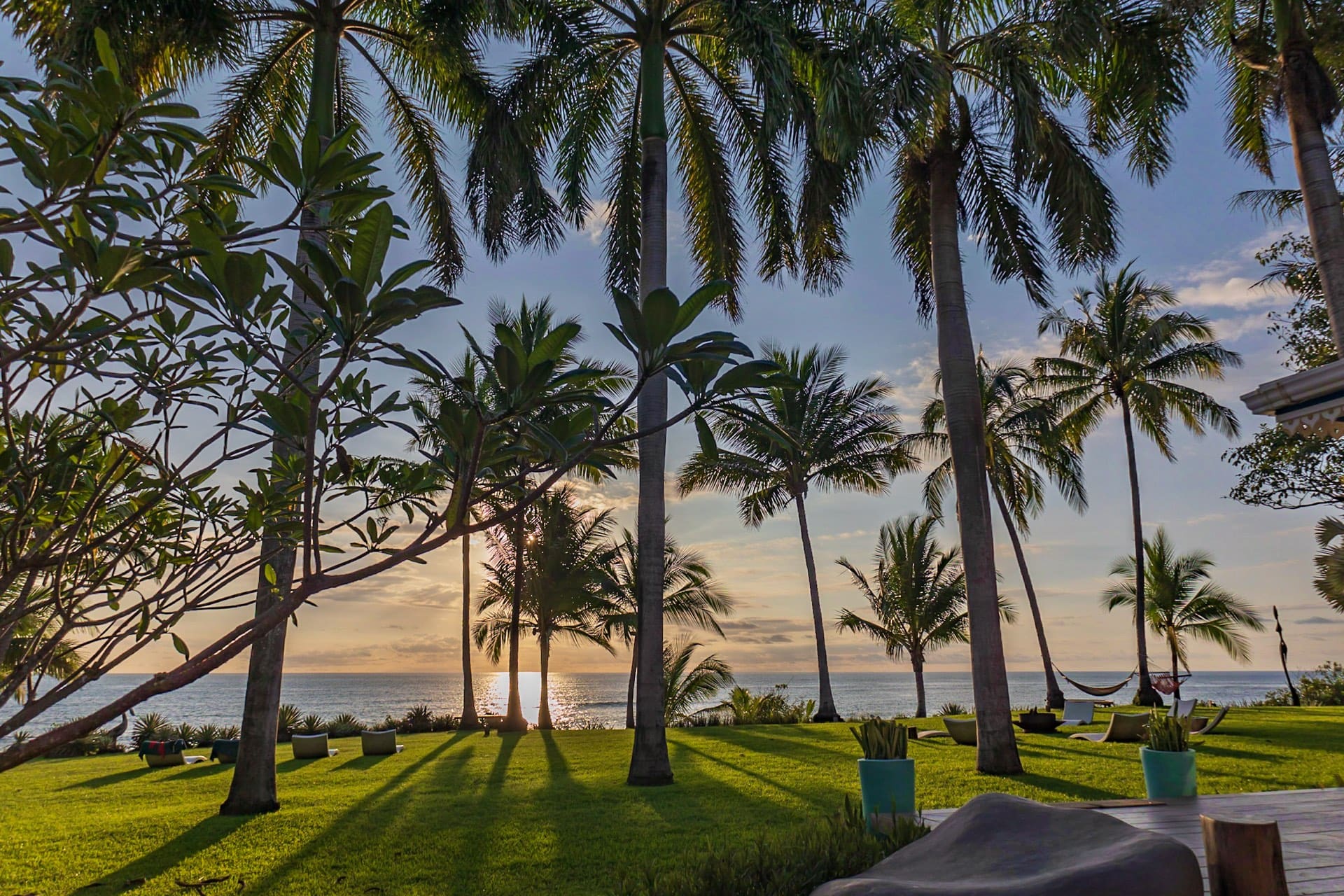
The drive south from Tamarindo tells you most of what you need to know. For the first stretch the coast is busy: shops, cafés, people walking to the beach with boards under their arms. Then the towns thin out, the green closes in, and by the time you reach Junquillal the loudest thing at sunset is usually the Pacific. Somewhere between thirty and forty-five minutes, and a different idea of a holiday.
Where should you stay in Guanacaste if you don't want crowds?
Guanacaste's beach towns have very different temperaments. For a slow trip, the real question is not which beach is best, but at what pace you want to live for a week.
Tamarindo: for travelers who want everything close
Tamarindo is the most developed beach town in the area. You can walk to dinner, find a surf school on the sand, stock up at a full supermarket and go out after dark. For a first trip to Costa Rica, or a group that wants energy, it makes sense. For a slow traveler, the trade-off is noise and company: you will rarely have the beach to yourself.
Playa Negra and Avellanas: for surfers and a small scene
A little further south, Playa Negra is known for its right-hand reef break, and Avellanas offers several peaks for different levels. Life is relaxed and runs on the tides. The food is good for such small places: Lola's, on the sand at Avellanas, is something of an institution, and Playa Negra has Villa Deevena for chef-driven cooking, Mycelium for Asian fusion and Corazón Café for breakfast.
Junquillal: for slow travelers who want silence
Junquillal is quieter still. The area is natural and lightly developed, and it is not a party beach. The village, five minutes away, has a basic grocery store and a few places to eat: Lochito's for seafood and whole red snapper, Guacamaya at Guacamaya Lodge, Mundo Milo at its eco lodge for the catch of the day. That is more or less the whole list, which is exactly the point.
How far apart are Tamarindo, Playa Negra, Avellanas and Junquillal?
Close enough to combine. From Junquillal, Playa Negra is 15 to 20 minutes by road, Avellanas 20 to 30, and Tamarindo 30 to 45 when you want its supermarket or a night out. Liberia airport (LIR) is about an hour and fifteen to twenty minutes away; San José (SJO) is closer to four and a half hours. A regular car works, but a four-wheel drive is recommended in the rainy season.
When is the best time for a slow trip to Guanacaste?
The dry season runs roughly from December to April: clear skies and the busiest weeks of the year. The green season, from May to November, turns the landscape lush and the beaches emptier. Rain tends to arrive in the afternoon or evening, and September and October are the wettest months. Slow travelers often prefer the green months for that rhythm: swim in the morning, read through the afternoon storm, watch it clear over the ocean. Turtles nest on beaches in the area in season; the concierge can confirm the calendar.
Why choose Junquillal for a slow trip?
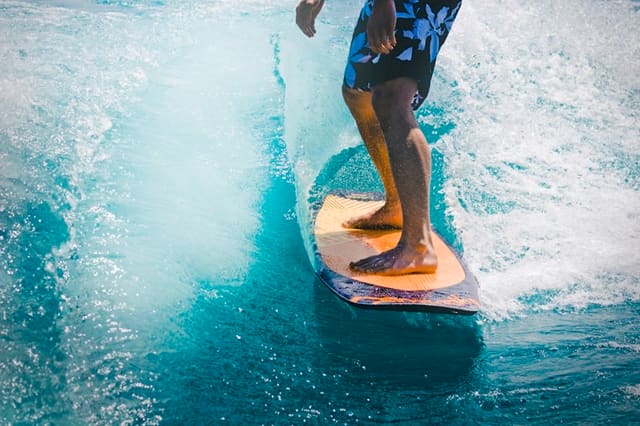
Because the place asks nothing of you. Days organize themselves around the tide and the light: a kayak through the mangroves of Estero de Venado, a horseback ride along the beach, a surf lesson if the swell is kind (Junquillal is an exposed beach break, better for intermediates, and the tide matters), then the sun going down into the Pacific.
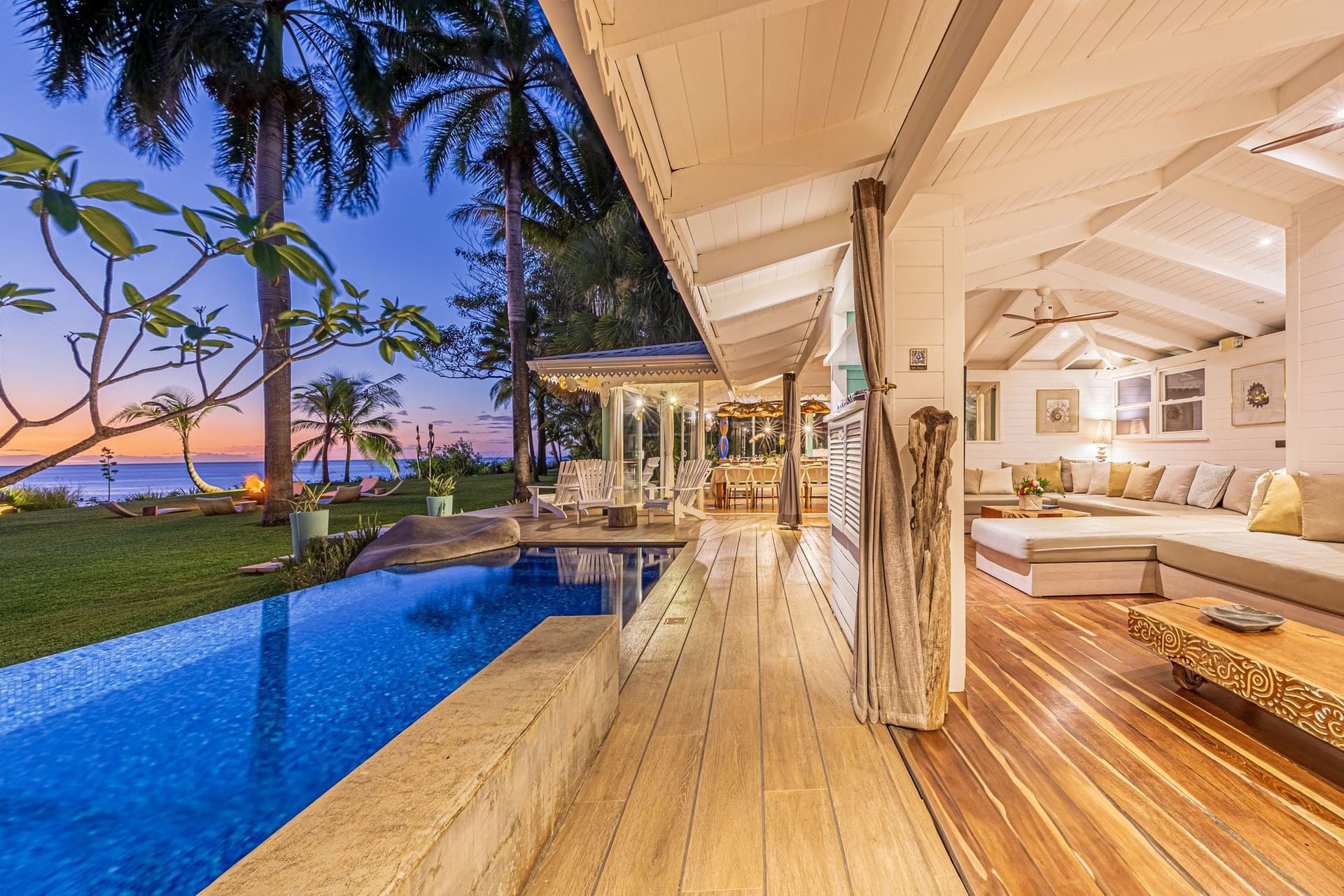
It is also why Patrick Rey and Valérie, the French architect and artist behind Odisea, chose to build here. They learned the country first, then built two beachfront villas by hand, following a rule of their own: make everything, buy nothing. Their son Luca grew up at Diosa del Mar while it was going up, and today he is the concierge on site. The practical advice we give every guest: with so few restaurants nearby, book the private chef.
Where to stay
- Villa Diosa del Mar — beachfront art retreat →
- Villa Hermes — modern architectural beachfront villa →
- Rent both villas together as Odisea Retreats →
Before you go, read our guide to Playa Junquillal and the concierge's guide to things to do nearby.
Frequently asked questions
Is Junquillal better than Tamarindo?
Neither is better; they are built for different trips. Tamarindo offers restaurants, nightlife and shopping within walking distance. Junquillal offers a quiet, natural beach with little development. Many guests stay in Junquillal and drive 30 to 45 minutes to Tamarindo on the evenings they want more going on.
Is Junquillal good for surfing?
Junquillal is an exposed beach break, best for intermediate surfers, and the tide makes a real difference. Beginners usually do better with a lesson, or at Avellanas, which has several peaks for different levels. The right-hand reef break at Playa Negra is 15 to 20 minutes away.
Do I need a 4x4 in Guanacaste?
For much of the year a regular car will get you to Junquillal. In the rainy season, roughly May to November, a four-wheel drive is recommended because some local roads soften. If you would rather not drive at all, the concierge arranges private transport from Liberia airport.
How do I get from Liberia airport to Junquillal?
The drive from Liberia International Airport (LIR) takes about an hour and fifteen to twenty minutes. Guests of Villa Diosa del Mar and Villa Hermes can have a private transfer coordinated by the concierge, along with grocery pre-stocking so the kitchen is ready when you arrive.